Dedicated
to Dads
The Dadvocates is built around a single clientele: fathers. We believe that children have better lives when they have relationships with their fathers, and outdated stereotypes about men have no place in child custody cases. We’ll work to secure the time with your children you deserve.
Custody cases can involve criminal accusations like domestic violence allegations, restraining order petitions, DUI charges, and other claims that opposing parties use to influence custody decisions. If a custody case crosses into criminal territory (or vice versa), our men’s rights law firm serving California and Colorado will be ready to provide representation.
While many child custody cases can be resolved outside of court, sometimes an agreement can’t be reached. If your case goes to family court, we’ll be ready to tell your side of the story and uphold the best interests of your child.
“I couldn’t have picked a better law firm. I did months of research before finally choosing The Dadvocates and I’m so glad I did. The overall experience was great. The staff is very professional and attentive to my needs or questions and concerns. This is exactly what you want when you’re going through a custody case. I got exactly what I wanted for myself and my daughter.” — Ruben, 5-Star Review
Child custody refers to the rights and responsibilities of parents when it comes to raising a child after a divorce or separation. This gets outlined in a parenting plan, which is also known as a custody and visitation agreement. Parenting plans will cover:
Custody arrangements can involve a 50/50 split between both parents, but if one parent has their child more than half the time, they are known as the custodial parent; the other parent is referred to as the non-custodial parent.
Legal custody refers to a parent's right to make important child-rearing decisions, including education, healthcare, and religion.
Physical custody refers to a child living with a parent. If a child is with one parent most of the time, they may still have opportunities to visit the other parent.
Joint custody means that both parents share parental responsibilities. Both parents make decisions together about upbringing and share time with the kids.
Sole custody means that just one parent has the parental responsibility. The other parent may not have a say in child rearing, but could still have visitation rights.
California courts will not automatically award custody to either the mother or the father. What matters most is the best interests of the child. This basically means finding the custody arrangement that is best for the child's physical and psychological welfare. Courts will note the age of the child, the relationship with each parent, and any evidence of domestic violence when considering the best interests of the child.
Many parents conflate custody matters with visitation rights and child support. These are interrelated issues, but need to be considered separately. Let's make the distinctions clear:
Many divorcing couples create custody agreements together as part of the divorce proceedings. In amicable situations, this often means an arrangement in which both parents have joint custody.
Keep in mind that parents may have joint legal custody, but one parent may still be designated as the custodial parent because they have more physical custody of a child.
When circumstances change, legal and physical custody can be modified. This includes modifications due to job loss, medical issues, or changes in financial status. As with the initial agreement, parents can similarly work out agreement modifications together before presenting it to the court.
According to California Family Code § 3047, duty, deployment, or mobilization orders from the military may result in a temporary modification to existing custody or visitation arrangements. This temporary custody order is made without prejudice and will be reviewed upon the service member's return. Oftentimes, the custody agreement reverts back to the original agreement once the service member has come back.
If a parent needs to move away with their child for more than 30 days, a notice must be sent to the other parent at least 45 days before the move takes place. This gives both parents time to revise their existing agreement and have the court approve the modification.
Not all child custody cases are amicable. It can be difficult to develop a mutually acceptable child custody agreement, let alone modify an existing agreement. Many family law disputes involving children come down to fundamental disagreements about which parent can provide a more loving home. The child custody lawyers at The Dadvocates can help you work through different kinds of disputes with the other parent, such as:
Even in amicable divorces, you and the other parent might not be able to agree on changes to your existing custody arrangement. The relocation to another city or state may be unreasonable. The desire for more time with a child during the summer may not be feasible given existing vacation or travel plans. Whatever the disagreement may be, it's important to have a child custody attorney on your side. They can reinforce your case for a proposed modification or strengthen your objection to your ex's proposed modification.
A parenting plan is enforceable by law once it's been approved by a judge. When the other parent breaks your custody agreement, it's important that you hold them accountable. Violations may include denying access to your child, leaving the state or country with the child unannounced, or making major life decisions about your child without communication or consultation. Local authorities can help you enforce your existing custody and visitation agreement. Your child custody attorney can advise you regarding the next steps to take to ensure this does not happen again.
Child abuse and domestic violence allegations need to be taken seriously. When a parent is accused of abuse, neglect, or any form of mistreatment, the child may be taken out of that parent's custody for their safety. The same is true of substance abuse issues, whether it involves the custodial or noncustodial home. Our family law team can advocate for sole custody if the other parent is abusive, negligent, or otherwise dangerous. Meanwhile, if your ex makes false claims of abuse, our attorneys can help clear your name and restore your parental rights.
If there is evidence that your former spouse is an unfit parent, it may be worth seeking sole legal and physical custody of your child. This is the focus of many heated child custody disputes.
The Dadvocates have worked on both criminal and civil litigation over the years, which has helped many clients in their child custody cases. We can scrutinize the evidence you've presented to us and determine ways to build a compelling case for primary custody to the court.
Seeking sole legal custody and physical custody is ultimately about the best interests of your child, which our attorneys will always consider while presenting your case.
“The Dadvocates are amazing! They worked very diligently throughout my extreme divorce process giving it the utmost attention. I ended up with primary custody of my three children. I cannot thank The Dadvocates enough for representing me and supporting me through a very difficult time. The Dadvocates are professional, hard working and very passionate about their work.” — Nick, 5-Star Review
Child custody disputes can be resolved in court or outside of court. Out-of-court resolution methods tend to be less adversarial. Our child custody attorneys can help with out-of-court resolution methods, negotiating with your former spouse and their lawyers. However, we are ready to go to court if doing so serves the best interests of your child.
Mediation is when each parent and their respective lawyers meet with a mediator. This unbiased third party helps facilitate a conversation between both sides to reach a mutually agreeable outcome.
Collaborative law also involves meetings between each spouse and their lawyers, but there is no mediator present. But as with mediation, both sides try to reach an agreement out of court.
If out-of-court resolution methods are unsuccessful, the custody dispute will have to go to family court. The judge will have the final say based on the cases presented during the evidentiary hearing.
There are different ways to resolve a child custody dispute, but you may not know where to start. That's why you need child custody lawyers well-versed in the California Family Code. No matter where in California you reside, the Dadvocates are here to help.
We're available on evenings and weekends to accommodate your schedule and provide the insight you need for time-sensitive matters.
Get answers about child custody from our lawyers. Send our child custody attorneys a message or call our law offices to request a legal consultation.
No. A prenuptial agreement can list the current property of each spouse and specify property rights at the end of a marriage, but it cannot make stipulations about child custody or visitation rights. This allows courts to weigh the current best interests of the child.
No. Child support orders are separate from the court orders for custody and visitation. If the other parent is blocking contact with your child, speak with local law enforcement and a child custody lawyer about the steps you should take next.
Income is a factor that courts look at, but it is not the only factor considered. Courts will also consider the child's relationship with each parent, who was the primary caregiver during marriage, each parent's home environment, and any history of domestic violence or neglect.
No, unmarried dads do not automatically have custody or visitation rights. First, they have to establish paternity, which can be done by signing a voluntary declaration of parentage or through a court order (something married fathers don't have to do). Our child custody lawyers can discuss the needs of unmarried fathers during a consultation.
Yes. California allows non-parents to seek custody of a child. When a grandparent or other non-parent assumes custody of a child, this is known as probate guardianship of a person.
Locations
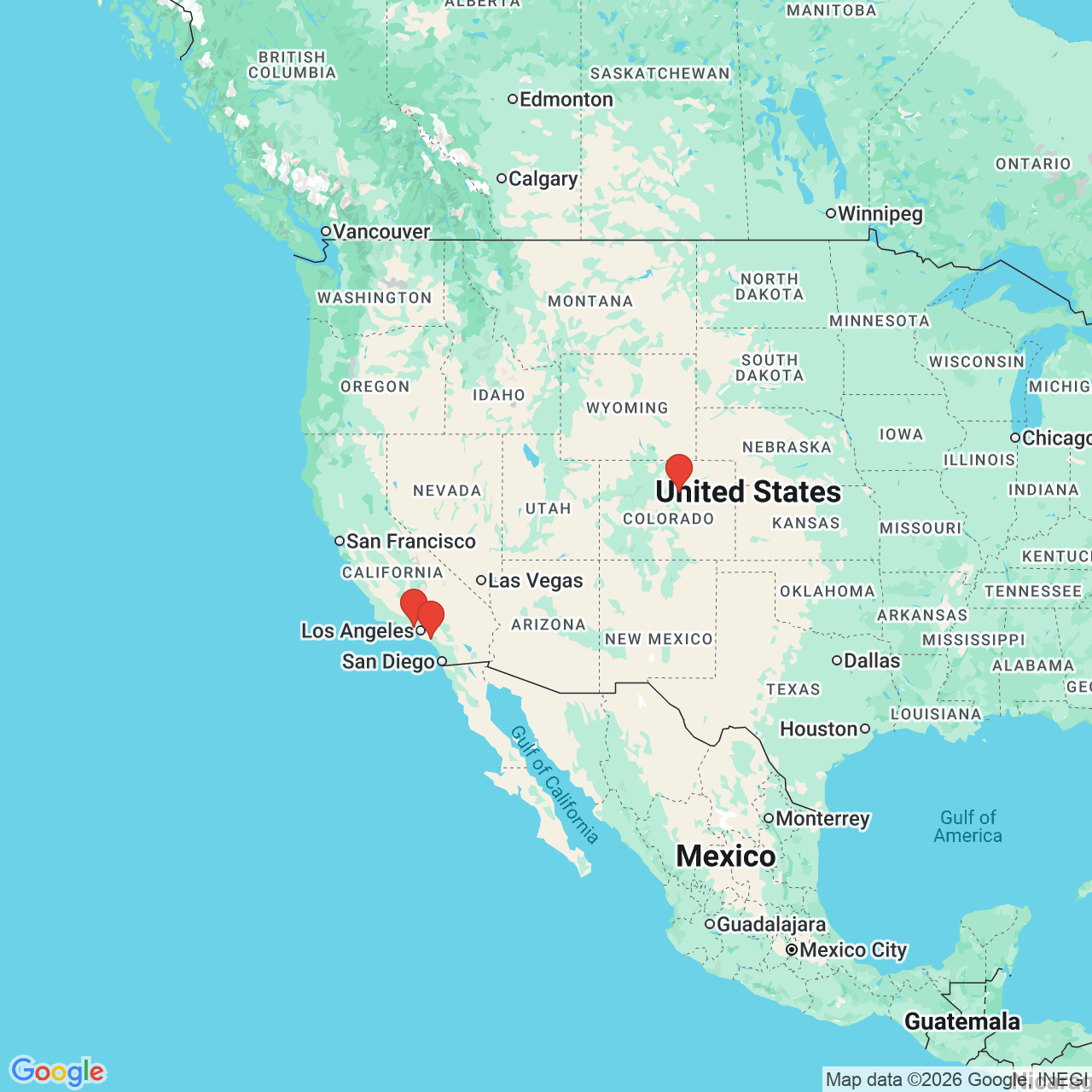
We have 3 locations Two in California. One in Colorado.