The Dadvocates represents fathers throughout Southern California who are seeking, paying, modifying, or enforcing child support.
We compare the calculation with income records, parenting time, expenses, and existing orders. The goal is a supported position, not an estimate built on assumptions.
For California fathers, one disputed number can change a child support estimate. We compare the calculation with actual pay and parenting time so you can decide which input to challenge before agreeing to the amount. The Dadvocates represents fathers throughout Southern California.
Review the child support calculation
California uses a statewide guideline. Income, allowable deductions, and the amount of time each parent has primary responsibility for the children affect the calculation. The California Department of Child Support Services calculator guide explains the required information. An estimate is only as useful as its assumptions; it is not an order or a guaranteed result.
We review the source documents, identify disputed inputs, and compare calculations where a factual issue could change the result. We also check the tool and applicable version rather than rely on an old worksheet. The Judicial Council maintains a list of certified guideline calculators.
We distinguish documented income from projections and unsupported accusations. When financial information is missing or inconsistent, we identify the records needed and the appropriate discovery request.
Family Code section 4058 distinguishes cases where income is known from those where it is unknown. Earning capacity requires an individualized record. Relevant facts include recent work, skills and qualifications, health, barriers to work, efforts to find employment, and the available local jobs. If actual income is known, substituting earning capacity is discretionary and must be consistent with the children’s best interests. When income is unknown, the court must consider earning capacity; that does not require it to impute a particular income. We compare the proposed income with evidence about actual work opportunities and what the parent can realistically earn.
Starting January 1, 2026, California’s child support agency guidance explains that new suits brought by local child support agencies no longer use the old presumed-income method based on 40 hours at minimum wage. The agency instead uses actual income or earning capacity based on the parent’s circumstances. That change does not automatically revise an existing order.
California Rules of Court, rule 5.260, addresses current financial declarations and notice requirements in support proceedings. Check whether the declaration and calculator use the same pay period and parenting schedule.
If the dispute is over parenting time or income, we compare calculations using the competing inputs and identify the documents that support each one. That shows which dispute changes the result enough to pursue. We treat an expense requested on top of monthly support as a separate question: what was incurred, what the order or law covers, and what proof exists. If the local agency is involved, we review its papers with you before responding.
The monthly payment is not always the entire dispute. Expense provisions require careful drafting and administration. California Family Code section 4061 sets out how covered add-ons are apportioned; equal shares should not be assumed. We examine which costs are covered, how they are allocated, what documentation is required, and when reimbursement is due.
Not every expense is treated alike. Under Family Code section 4062, courts must order qualifying, actually incurred childcare related to employment or reasonably necessary education or training for employment skills, unless the childcare costs are specifically included in the guideline calculation. Courts must also order reasonable uninsured healthcare costs for the children. Qualifying educational or other special-needs costs and travel for visitation may be ordered, but are not automatic. Section 4063 addresses proof and reimbursement for covered childcare and healthcare. Check the signed order and the calculation before asking for the same expense twice.
The Judicial Council's Notice of Rights and Responsibilities Regarding Child Support explains procedures concerning healthcare expenses and changing an order.
For a disputed bill, bring the order, invoice, proof of payment, insurance explanation, and communications. Separate the amount charged from the amount actually paid and any reimbursement already received. We can then evaluate the particular claim instead of treating every child-related purchase as automatically reimbursable.
A job loss, changed income, disability, or a substantial change in the parenting arrangement may warrant reviewing support. None of those facts guarantees a reduction or increase. The California child support agency's modification guidance explains that qualifying changes must be evaluated and that an agreement should be submitted through the court process.
Do not assume the existing amount changes when your paycheck changes. Delay can matter: the California Courts child support guide warns that a judge generally cannot reach back before the request for modification was filed. We evaluate the requested effective date and any applicable exceptions. Until the order is changed, do not treat a private conversation as a replacement for it.
Our preparation includes a timeline of the change, supporting financial records, updated calculations, and an explanation of the relief requested. If an agency is involved, we account for its role and required notice.
Whether you are seeking unpaid support or responding to a claimed balance, begin with a reliable ledger. We compare the order's start date and payment terms with agency records, bank records, wage deductions, and claimed credits. Identify duplicate entries, missing payments, and disputed calculations before arguing about the total.
We assess available enforcement procedures and defenses without treating every missed payment as automatic criminal liability. Inability to pay, disputed accounting, and deliberate noncompliance are not interchangeable facts. If you have received enforcement papers, bring the complete documents and deadlines rather than waiting for the next scheduled payment.
A move does not answer which court can modify or enforce a support order. We review the issuing state, registrations, later orders, the parties' residences, and the specific relief requested. Custody jurisdiction and support jurisdiction are separate questions. A California custody proceeding should not be assumed to resolve authority over an out-of-state support order.
Bring your existing support order, recent financial documents, payment history, and any pending request or agency notice. Tell us whether your immediate goal is establishing support, changing future payments, resolving expenses, or addressing arrears. We will identify the evidence and procedural steps that fit that goal.
Our role is to present a supported position, explain the tradeoffs, and prepare the case for negotiation or hearing. We do not promise an amount based only on what either parent wants to pay or receive.
Contact The Dadvocates about your California child support case.
Child support is not exclusively a matter of fathers paying mothers. We help fathers seeking support and fathers responding to payment, expense, or enforcement requests.
Bring the existing order, financial records, and payment history. We will examine the calculation and the procedure needed to address the dispute.
Call (818) 824-5800 to arrange a consultation.
Locations
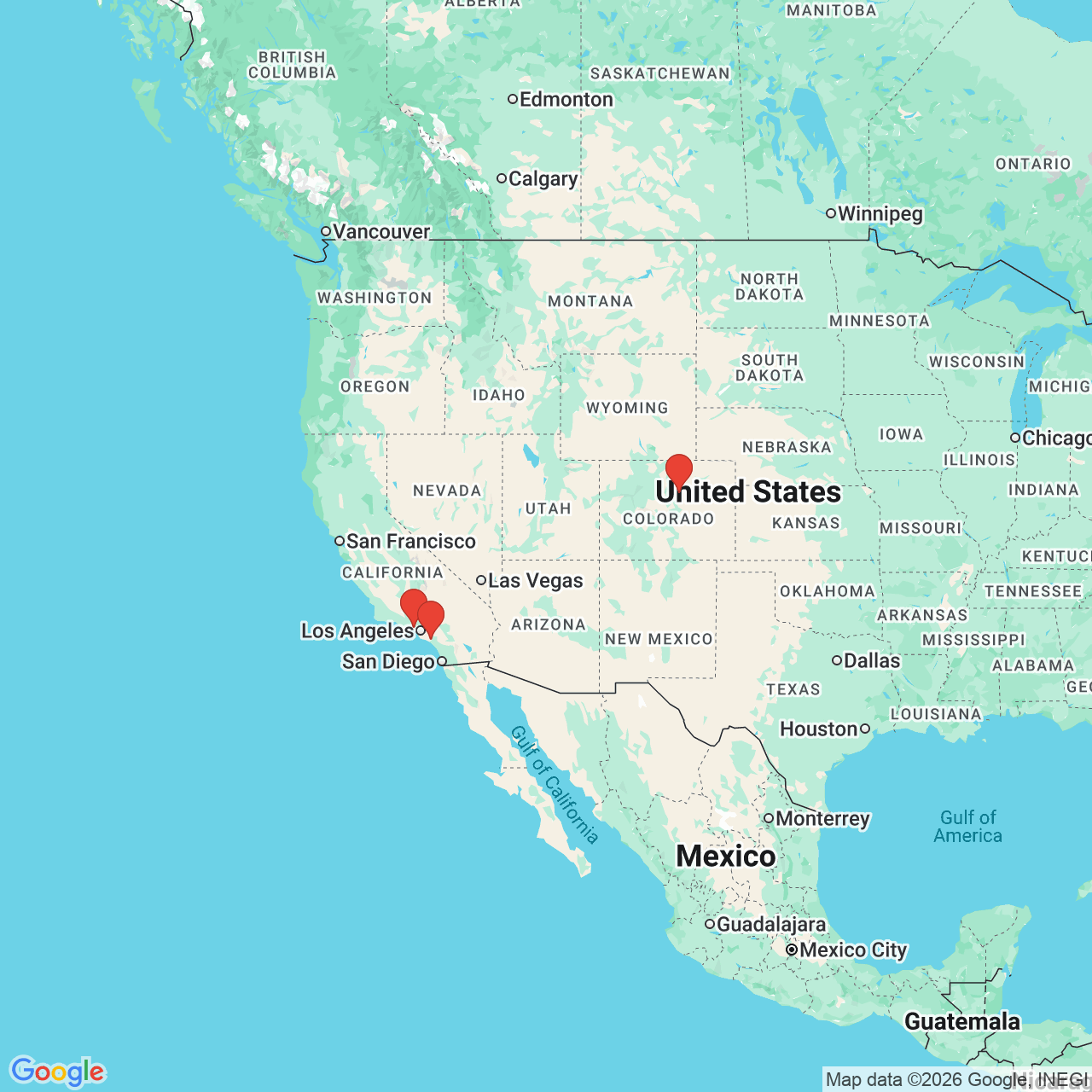
We have 3 locations Two in California. One in Colorado.