Colorado’s domestic violence designation depends on the alleged conduct and the relationship. The definition includes an act or threatened act of violence against someone with whom the accused is or has been in an intimate relationship. It can also cover another crime, or a qualifying municipal ordinance violation, used to coerce, control, punish, intimidate or take revenge against that person, including some conduct directed at property or an animal. The criminal charge and its elements still matter. See C.R.S. § 18-6-800.3.
The family court applies its own safety and best-interests rules; a charge does not itself rewrite a parenting plan. Tell counsel about the family case before agreeing to plea language or proposed conditions that could affect an exchange, travel, or decision-making. Bring any family-court deadlines and proposed orders as well as the criminal papers. See C.R.S. § 14-10-124 and our article on Colorado custody cases after HB26-1309. If the allegation concerns a child, see Colorado child abuse allegations.
Bring the summons or charging papers, every current signed order, the parenting plan and the next dates in both cases. Tell us if an exchange or hearing comes first so we can address the immediate issue and identify what records still need to be gathered. Learn more about Colorado family-related criminal defense.
Locations
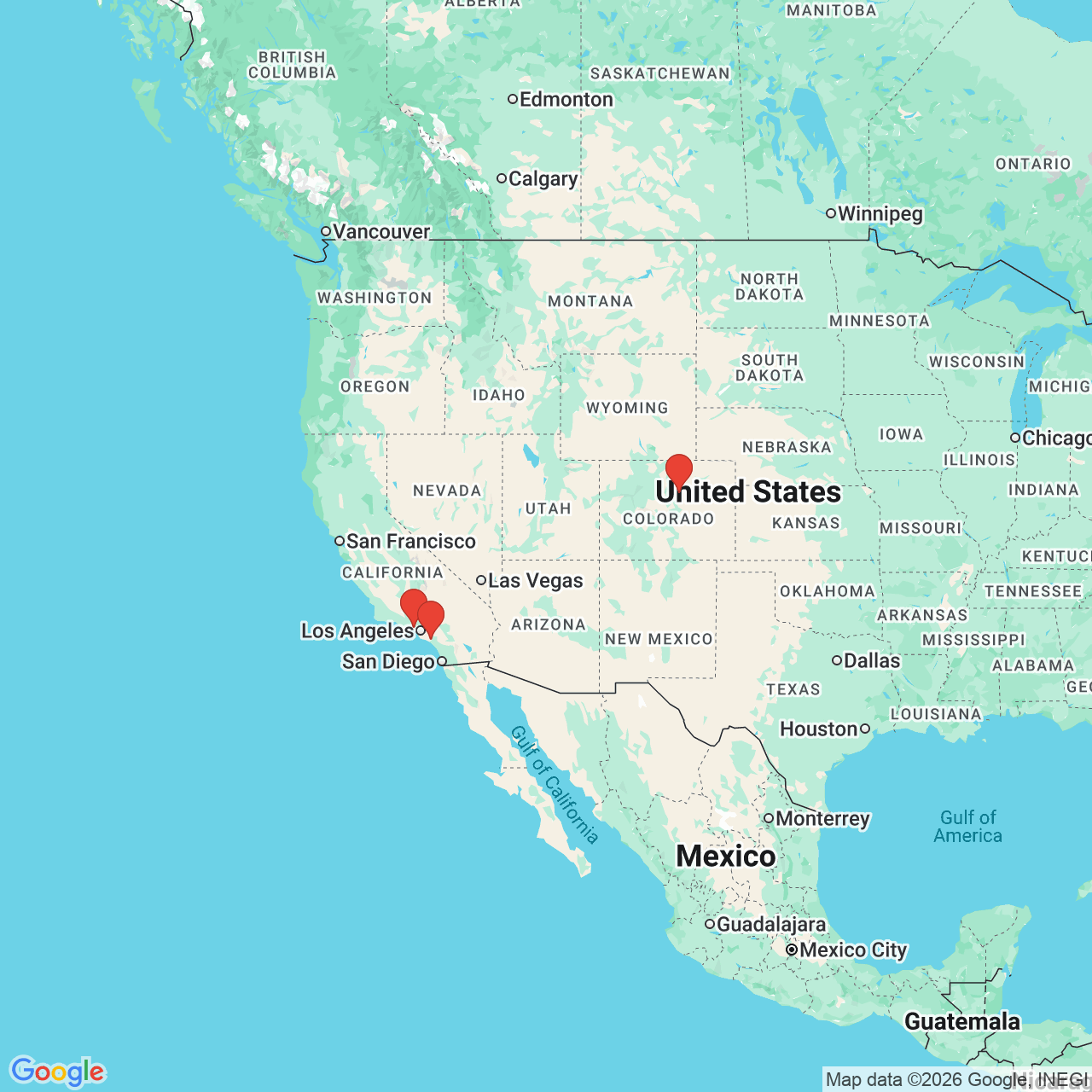
We have 3 locations Two in California. One in Colorado.