Under C.R.S. § 14-10-129(4), a parent can ask to restrict parenting time or contact based on imminent physical or emotional danger to the child caused by that parenting time or contact. The motion must describe specific facts and explain why they require urgent court action. In In re Marriage of Wollert, 2020 CO 47, the Colorado Supreme Court distinguished the specificity required to obtain the hearing from the court’s assessment of the evidence at the hearing. A serious disagreement about the schedule does not, by itself, establish an emergency.
If the motion sufficiently pleads an emergency under that provision, the court must hear and rule on it no later than 14 days after the day of filing. Any parenting time that takes place during that statutory period must be supervised by an unrelated third party the court deems suitable or a licensed mental health professional under the statute. That rule does not apply to motions brought under § 14-10-129(3). If the next exchange is approaching and the supervision terms are unclear, get prompt legal advice rather than choosing a supervisor or assuming the usual handoff can go ahead.
If you have been served, read our guide to Colorado’s 14-day emergency parenting-time hearing for what to check before the next exchange, what the judge decides, and what records to bring.
The hearing tests the evidence. Under C.R.S. § 14-10-129(1)(b)(I), the question is whether the parenting time would endanger the child’s physical health or significantly impair the child’s emotional development. In In re Marriage of Thorburn, 2022 COA 80, the Colorado Court of Appeals held that the moving parent need not separately prove imminent danger at the hearing once a sufficient emergency motion has triggered it. The court still needs evidence connecting the parenting time to the claimed harm. A parent responding to a motion should pay attention to the written notice, preserve relevant records, and prepare for the hearing even when they dispute the allegations.
Do not coach a child, contact someone contrary to an order, or post sensitive records online. The right response may be to seek a narrow safety condition, contest the requested restriction, or ask the court to clarify how overlapping orders apply. We help you identify which facts and records matter to that decision.
Tell counsel if no parenting case is open, if the child is in another state, or if a court elsewhere has already issued an order. The 14-day restriction procedure and Colorado’s temporary emergency jurisdiction are different questions. Under C.R.S. § 14-13-204, when a child is present in Colorado, a Colorado court may exercise temporary emergency jurisdiction in the specified circumstances involving abandonment or threatened or actual mistreatment or abuse of the child, a sibling, or a parent. An existing case or order in another state can affect what Colorado may do and how long emergency relief lasts.
The Colorado Judicial Branch’s JDF 1406 motion and affidavit is a starting resource for changing or restricting parenting time in an existing case. For routine parenting questions, see our Colorado child custody page. For the distinction between changing a schedule and imposing a restriction, see our article on Colorado parenting-time reductions after Dale.
Call The Dadvocates at 720-749-2876 to request a consultation. Tell us the case number, when the child is next scheduled to exchange, and whether a hearing or service deadline is already set.
Locations
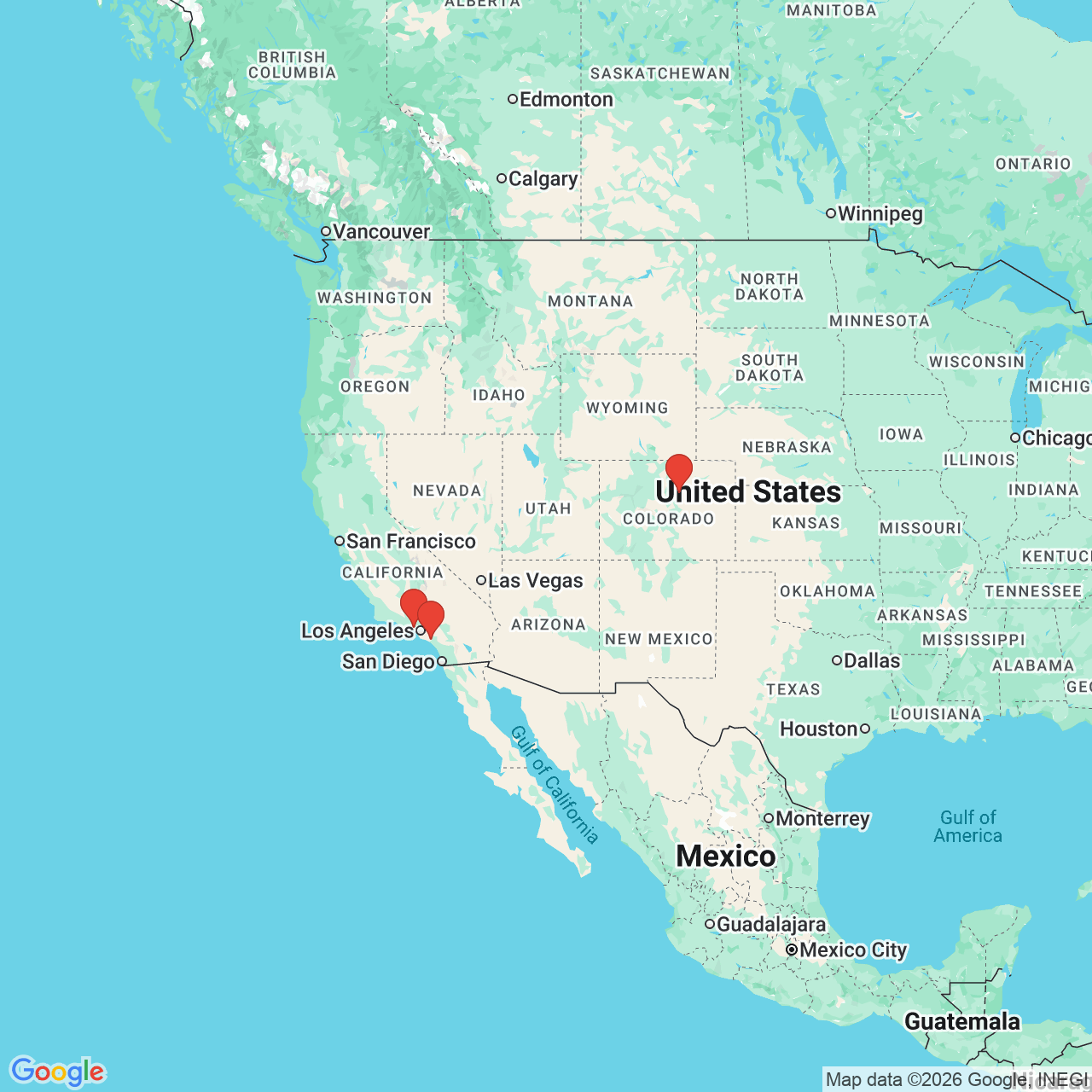
We have 3 locations Two in California. One in Colorado.