Colorado divides marital property equitably, not necessarily equally. When reviewing debt, look at the date the account was opened, when the disputed charges were made, who signed, what the funds paid for, and whether a recorded agreement or decree of legal separation affects the analysis. Simply moving out does not fix a universal cut-off for all new charges. For how the debt fits with property, see C.R.S. § 14-10-113, our Colorado property division page and our Colorado equitable distribution guide.
Colorado's property valuation rule ordinarily uses the decree date or the property-disposition hearing date if that hearing happens first. It does not universally freeze everything when the divorce is filed. For debt, collect statements around the relevant dates, show what was charged or paid after separation, and obtain a current payoff for any proposed closing. If a balance jumped, identify the transfers, fees or purchases that account for the difference. See C.R.S. § 14-10-113(5).
A balance-transfer card can make a single debt look like two debts. A line of credit may combine different uses across years. Create one row for each account showing the lender, last four digits, signers, balance date, disputed charges and the spouse proposed to pay. Include the contract and statements, not just the figure from a credit report. The Judicial Branch's Colorado property and financial agreement form is a useful reference for what the final terms must address.
A Colorado court can assign payment responsibility between spouses. That does not rewrite the contract with the creditor. If both signed a mortgage or credit agreement, the lender may still have rights against both unless the debt is paid off or the lender actually releases one borrower. Removing a name from title, or assigning payments in the decree, does not by itself remove a name from the note. See the Consumer Financial Protection Bureau's divorce debt guidance.
If one spouse will keep the home or vehicle, discuss a workable deadline, how to document payment or obtain written lender release, and what happens if a required refinance or lender-approved assumption does not resolve liability. An agreement can address proof of payment, default notices, reimbursement or holding the other spouse harmless, and a fallback sale where appropriate. These terms may give the spouses rights against each other; they do not bind the lender.
Where a federal joint return creates tax liability, the IRS generally can pursue either spouse, even if a divorce decree assigns payment to one. Federal innocent-spouse relief has its own eligibility rules; it is not an automatic division of the balance. Bring the return, tax notice, covered years and payment history so the divorce terms and the tax issue can be assessed separately. See IRS innocent-spouse relief guidance.
The Dadvocates works with fathers and men in Denver and across Colorado on Colorado divorce cases that involve debt, property and financial agreements. Call (720) 749-2876 and bring the statements for the accounts you are concerned about.
Locations
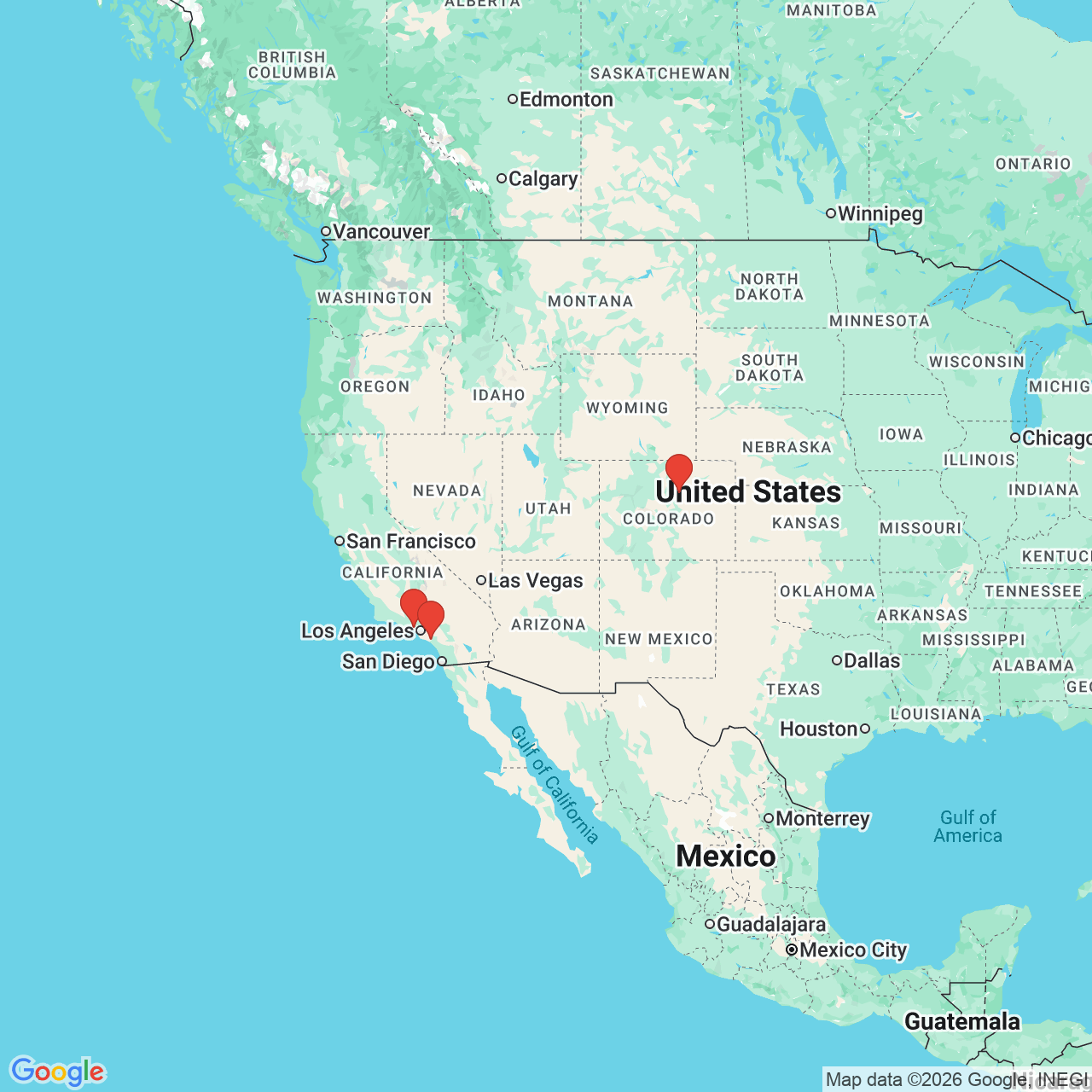
We have 3 locations Two in California. One in Colorado.