“She took one look at my situation and immediately knew what needed to happen.”
Hidayat
"'Abuse' means intentionally or recklessly causing or attempting to cause bodily injury, or placing another person in reasonable apprehension of imminent serious bodily injury to himself or herself, or another. 'Domestic violence' means abuse committed against an adult or a minor who is a spouse, former spouse, cohabitant, former cohabitant, or person with whom the suspect has had a child or is having or has had a dating or engagement relationship."
California’s civil Domestic Violence Prevention Act is separate. It defines abuse under Family Code § 6203, identifies qualifying relationships under § 6211, and includes certain nonphysical conduct a court may restrain under § 6320.
“She showed up to every single hearing locked in and ready.”
Gabriel
“Samera is a phenomenal family law attorney.”
Chris R.
The Dadvocates represents fathers and men in Southern California who face criminal domestic violence charges, need a civil restraining order, or have to respond to one. We review the exact charges and orders, preserve evidence, and coordinate strategy when the cases overlap.
A criminal domestic violence case concerns the specific offense the prosecution charges. A family-court restraining order addresses protection and may include parenting terms. A criminal protective order can issue before a criminal case resolves. Follow every current order and get legal advice promptly if the terms seem to conflict. For practical guidance, read about California domestic violence charges and child custody and criminal protective orders and parenting exchanges.
If you were served, read the papers you received, including any temporary order and notice of hearing. A hearing can go forward even when temporary protection was not granted. Follow an order’s exact terms even if the other person contacts you or an older parenting schedule seems to say something different. Ask counsel or the court to resolve the conflict before taking a step an order may prohibit. Call 911 if you are in immediate danger.
California Family Code section 6320 covers conduct including threats, harassment, and disturbing the peace, which may include coercive control. The California Courts’ forms explain requests for protective and related relief. If a firearm or ammunition restriction applies, read the order immediately and check the court's compliance instructions. Do not assume the hearing date is the deadline.
A qualifying domestic violence finding within the previous five years triggers a rebuttable custody presumption under Family Code section 3044. It concerns sole or joint legal or physical custody, not an automatic ban on all parenting time. An allegation alone is not a finding. The California Courts’ custody guide explains how courts apply the statute. See our guide on how a California DVRO can affect custody.
Start with the conduct alleged, the dates, and the exact terms of the orders. We distinguish what a witness observed from what someone reported, compare the orders in each case, and evaluate complete messages, dated photos, and other lawfully obtained records. Keep originals and do not involve children in gathering evidence or rehearsing testimony.
When a criminal case arises from the same family dispute, we can represent you in both matters. Working with the same legal team helps keep strategy and communications consistent across both courts. A criminal protective order may differ from a family-court restraining order; a criminal disposition alone does not tell you what the family court will decide.
If the civil restraining-order dispute is resolved, address any fee request promptly. Read our guide to California DVRO attorney fees and filing deadlines.
Bring served papers, court orders, hearing dates, and any imminent exchange details. Request a consultation and tell us if an order limits how you can safely receive messages.
Locations
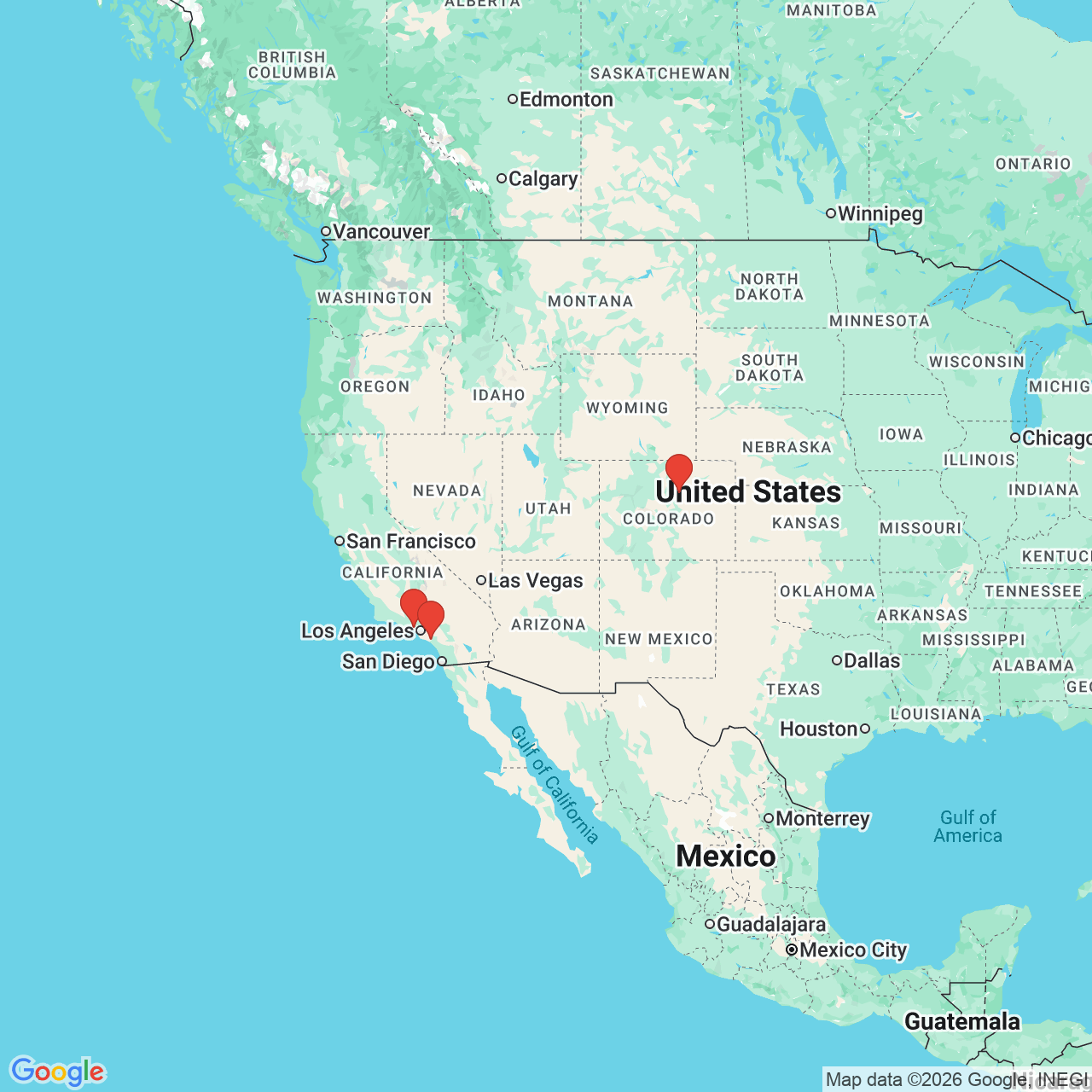
We have 3 locations Two in California. One in Colorado.