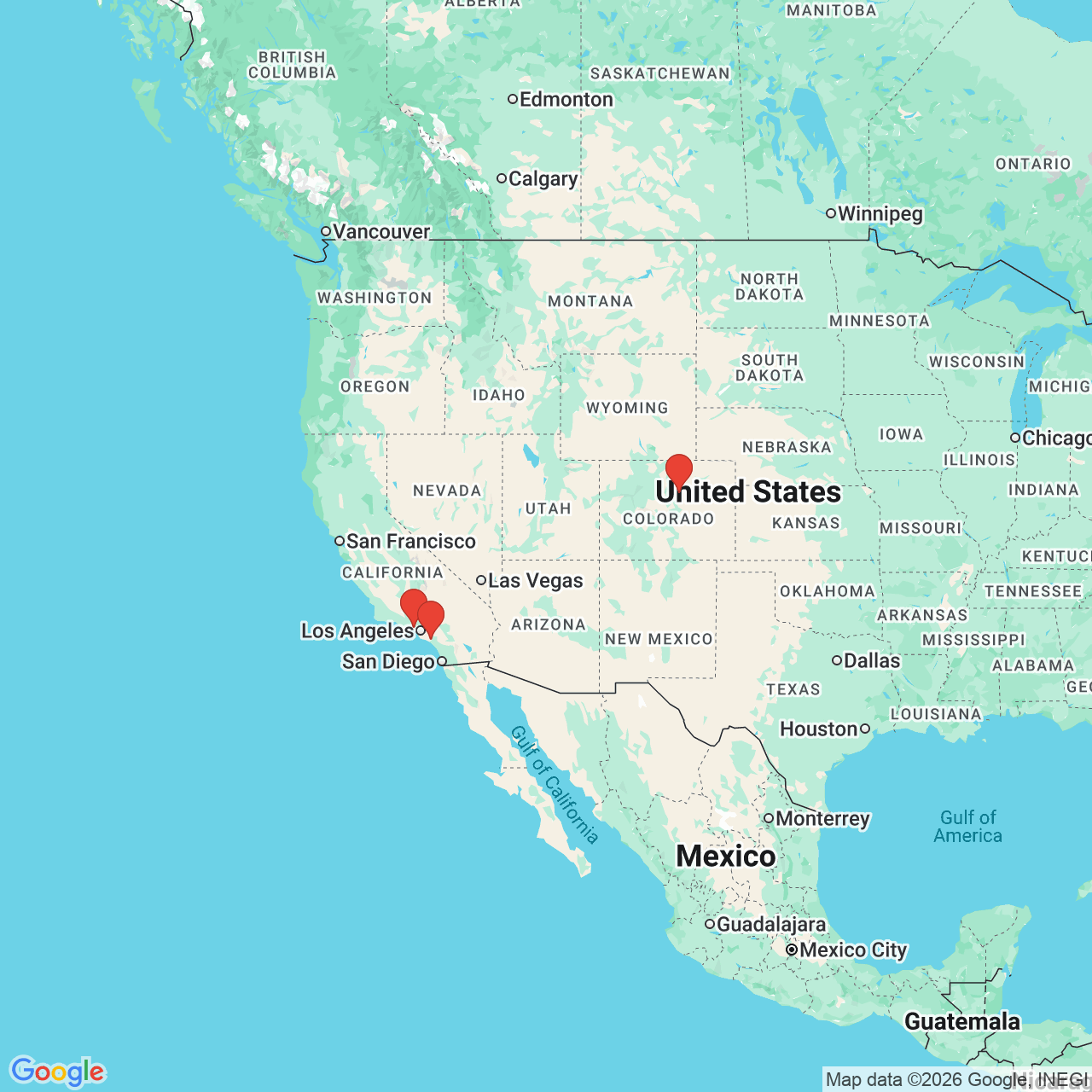
A Colorado divorce transferred interests in a Napa Valley winery, but it did not resolve the contracts and debt behind them. Here is what to check before signing.
By Samera I. Habib · Nov 21, 2026 · 4 min read
You can receive a business in a divorce and still face litigation over the contracts, debt, and relationships surrounding it. For a family with assets in Colorado and California, the ownership award may be only one part of the work.
The Sullivan family’s Napa winery litigation illustrates the problem. These are older cases, not new changes in the law. But the actual federal trial-court orders offer a useful look at what can remain unresolved after a Colorado divorce.
Stephen Finn acquired interests in the Sullivan family winery from JoAnna Sullivan, his wife’s mother. His obligations included $9,000 monthly for her lifetime and up to $500,000 toward a life estate in a residence. An October 2015 Colorado divorce awarded his winery interests to his former wife, Kelleen. That transfer did not resolve his obligations to JoAnna.
In its April 3, 2017 partial-summary-judgment order in Sullivan v. Finn, No. 16-cv-01948-WHO, the Northern District of California awarded $639,083 on the life-estate obligation. It established liability on the annuity obligation but did not fix the amount of past-due payments in that order; it separately denied summary judgment on the request for future installments. See pages 17–21.
The case later ended through a November 15, 2018 dismissal with prejudice. The dismissal order does not disclose settlement terms. It would be inaccurate to describe the earlier partial ruling as a final trial verdict resolving every claim.
Finn also pursued claims in California based on an asserted controlling interest in the winery. In its January 13, 2017 signed order in Finn v. Sullivan, 228 F. Supp. 3d 972, the federal court dismissed those claims with prejudice. It held that judicial estoppel barred Finn from taking a position inconsistent with the one adopted in the Colorado divorce. The practical point is to write the ownership and control terms with any related business litigation in mind.
A later lawsuit involved Kelleen and her brother’s claims against Finn and another defendant. Their allegations included a credit arrangement that allegedly generated $4.6 million in winery debt owed to Finn. The Colorado divorce’s transfer of his equity did not end the dispute over that financing.
The December 4, 2019 order in Sullivan v. Finn, No. 3:17-cv-05799-WHO, distinguished injuries to the businesses from injuries the individuals could pursue themselves. A bankruptcy settlement had released estate claims while preserving individual claims. Some fiduciary-duty and fraud theories survived; other theories failed. The court rejected the emotional-distress claim as untimely. See pages 3–5, 7–10, and 12.
The ruling addressed the sufficiency of the pleadings. It did not find that fraud had occurred.
After a notice of voluntary dismissal, the court dismissed that separate case with prejudice on March 2, 2021.
Our practical takeaway is to review the entire transaction, not merely the line awarding the shares. Start with these questions:
For a California business divided in a Colorado divorce, we would want the marital agreement, ownership records, loan documents, guarantees, and proposed transfer documents reviewed together. An attractive valuation is not a substitute for understanding the obligations attached to the asset.
Before you agree to keep the business, determine what you are actually receiving, what you remain responsible for, and what additional documents are needed to carry out the agreement. Those questions belong in the settlement process, while there is still an opportunity to address them.
*Disclaimer: the information provided by this website is for informational purposes only and should not be considered legal advice or a substitute for competent legal counsel.
©2026 The Dadvocates | Forever Website® 2.0 | Designed & Developed by Einstein Law
Our Team
California
Colorado
Interstate & International Family Law
2026