A Colorado divorce can leave you deciding whether you can keep the family home, protect a business you built, or pay loans after the decree. You need numbers you can verify and terms you can carry out. A proposed buyout needs to leave enough to support two households, and a judgment does not necessarily release you from a joint loan.
The Dadvocates helps Colorado fathers and men identify what can be divided, find the records that support their position, and test how a proposed division would work before they sign. If the evidence or terms remain disputed, we prepare to present the issue in court.
Equitable distribution means a just division of the marital estate, not an automatic 50/50 split or a split of each asset. Colorado courts consider each spouse’s contributions, including work at home; the value of property each keeps separately; each spouse’s economic circumstances when the division takes effect, including whether the parent with whom children primarily reside should use or keep the home for a time; and changes in separate property’s value or its use for marital purposes. Marital misconduct is not a factor. C.R.S. § 14-10-113(1)(a)–(d).
Keeping a business intact while the other spouse receives home equity or retirement assets can make more sense than dividing every asset. Test whether the values are supported, the proposed financing and transfers are possible, and how debt affects what each person receives.
Colorado courts set apart separate property and divide marital property in proportions they consider just. Property acquired during marriage is generally presumed marital regardless of title, subject to statutory exceptions. An asset owned before marriage or received by inheritance may remain separate even though some increase in its value is marital. C.R.S. § 14-10-113(1)–(4).
If a premarital account funded a down payment, bring the statements, transfer and closing papers. If title changed later, identify why and what the records show about intent. Proving where the money started may not establish how the asset is treated now. In re Marriage of Smith, 2024 COA 95, ¶¶ 40–50.
A business may look profitable on its return and still have little cash available for a buyout. We look at your interest, company income and obligations, and transfer restrictions. For an equity award, bring the grant documents so we can identify the work it compensates and what is required before it can be earned or exercised. C.R.S. § 14-10-113(4)–(5) · In re Marriage of Balanson, 25 P.3d 28, 39–40 (Colo. 2001).
For real estate, get a supported value and current payoff before relying on an equity figure. For retirement, obtain the plan documents and statements, and flag whether a separate plan order may be required. The property valuation date is generally the decree date or the property-disposition hearing date if it comes first. C.R.S. § 14-10-113(5)–(6).
Start with three separate numbers: a supported market value, the amount needed to pay off the loans and valid liens, and the estimated proceeds if the house actually sells. Keep the dates attached to the numbers. A current payoff quote or settlement estimate can help plan a closing, but it may not show what the asset was worth or what was owed on the statutory valuation date.
A deed transfers an ownership interest. It does not take a borrower off the loan. A court order can assign payment responsibility between spouses without changing the creditor's rights. See the Colorado Property and Financial Agreement form, the CFPB's divorce-debt guidance and our Colorado debt division page.
An account you can use now may serve your family differently from a payment promised next year. An agreement should identify who pays what, when the steps occur, what proves they were completed, and what happens if a deadline is missed.
Bring the current deed, appraisal or supported value, mortgage and credit-line statements, payoff quotes good through closing, any title report or recorded lien documents, and your proposed closing or refinance terms. Compare them with the Sworn Financial Statement and the mandatory financial disclosure checklist. Flag obligations that are disputed or unverified instead of treating every number on a statement as a lien that must be paid.
Ask for purchase and improvement records, too. Most qualifying transfers between spouses or incident to divorce do not themselves produce federal gain or loss, but the recipient generally takes the transferor's adjusted basis in the interest transferred. The appraisal or buyout price does not ordinarily reset that basis. A later sale raises separate tax questions, including whether a home-sale exclusion is available. Compare after-tax outcomes with a tax professional rather than treating a tax estimate as a closing charge. See 26 U.S.C. § 1041 and the IRS guides to divorce transfers and selling a home.
If the disagreement starts with whose money funded the ownership interest, see our Colorado equitable distribution guide. If the dispute is over how to carry out the division, bring the proposal, supporting documents and any deadlines to a property consultation.
Bring any agreement, loan documents, bank and retirement statements, and business records you already have. Start a dated list of assets and debts, flag missing statements, and note disputed values or ownership. The Colorado Sworn Financial Statement is a starting point. The underlying records explain the numbers.
If a judge must decide, identify the order and findings you need, and what the evidence shows. Final property terms ordinarily are not modified without grounds to reopen the judgment. If a transfer, payment or sale already ordered is not happening, bring the signed order and proof of what did or did not happen so we can evaluate enforcement separately. C.R.S. § 14-10-122(1)(a) · Colorado Judicial Branch enforcement guide.
If you are preparing for a Colorado divorce, tell us what you want to keep, what you believe is disputed, and what deadlines you face.
General information about Colorado law, not legal advice for a specific case.
Locations
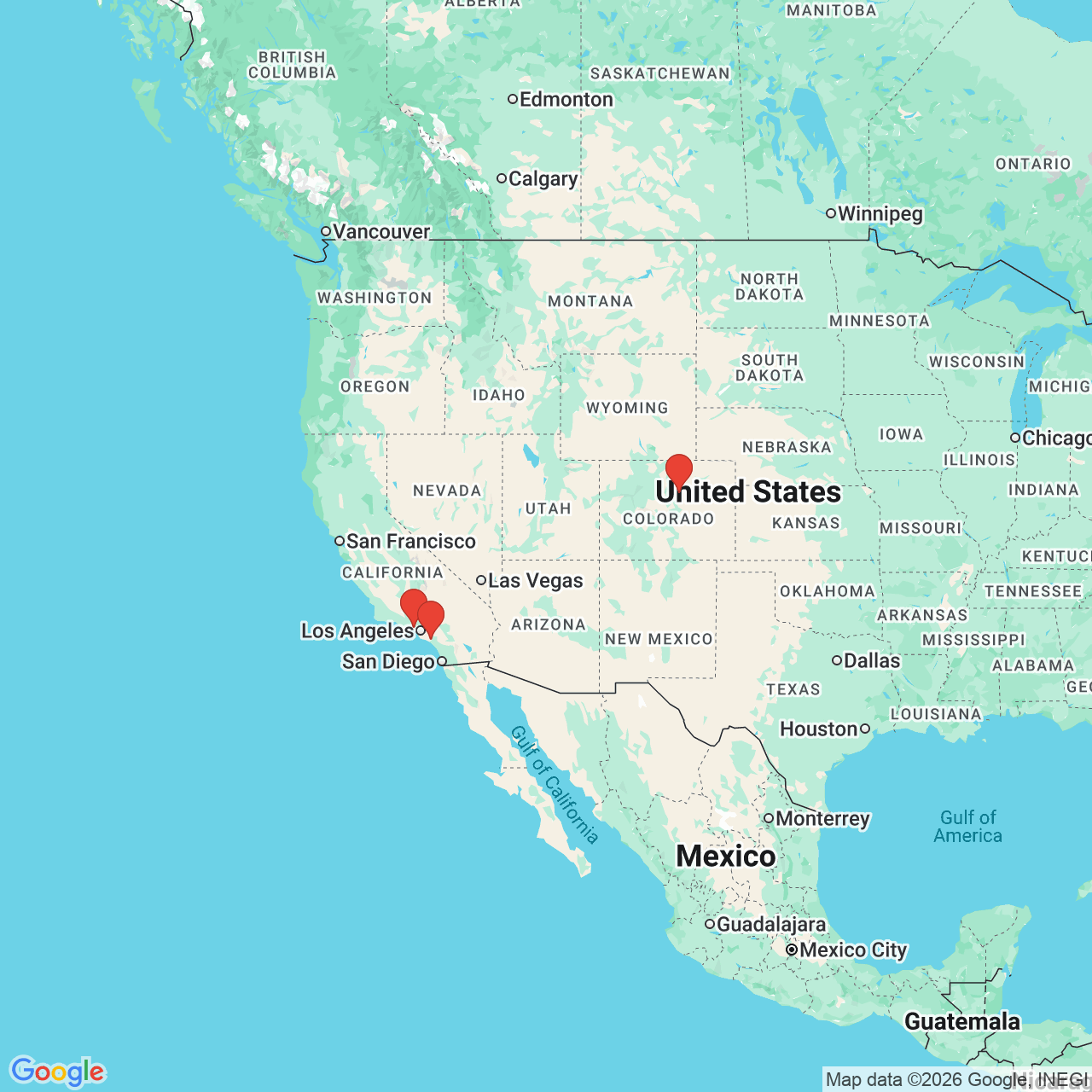
We have 3 locations Two in California. One in Colorado.