A California court can order a child custody investigation, appoint an expert, or refer you to Family Court Services. Those orders do different jobs.
The Dadvocates represents fathers and men across Southern California, including Los Angeles and Orange counties. Our California custody lawyers help you decide whether an appointment would answer a question the judge actually needs to resolve, and prepare for the process if one has already been ordered.
The distinction is the legal authority and the work assigned, not the label. For custody work, California Rule of Court 5.220 uses “evaluation,” “investigation,” and “assessment” interchangeably and covers court-connected and private custody evaluators under either authority, as well as qualifying appointments under the Civil Discovery Act’s examination provisions. “Focused” or “brief” may be local descriptions of limited work. A stand-alone request to compel a mental examination in discovery raises its own questions about whether the condition is in controversy and whether leave and good cause are established. See Code of Civil Procedure § 2032.020, § 2032.310 and § 2032.320.
Mediation or recommending counseling: In contested custody matters, Family Code § 3170 and Rule 5.210 govern court-connected mediation. Section 3177 addresses mediation confidentiality. Where local rules allow recommendations, § 3183 provides for Child Custody Recommending Counseling (CCRC), with recommendations provided in writing to the parties and counsel in advance before submission to the court. Neither a mediation intake nor a recommending counseling appointment is, by itself, an order for a custody evaluation.
Local examples: The Los Angeles Superior Court FCS intake distinguishes confidential mediation from recommending counseling and explains who may see CCRC information. The court separately identifies Child Interviews and One-Day or Two-Day Parenting Plan Assessments as services. Orange County Superior Court FCS lists confidential mediation, Child Custody Investigation (CCI), Emergency Investigation (EI), and Minor Interview separately. A CCI examines specified safety concerns and produces a report; EI assesses immediate risk for potential temporary orders. Follow the signed order and the current instructions for the assigned service, not another county’s label or deadline.
A child’s views: An evaluator’s child interview is one possible source of information. Under Family Code § 3042 and Rule 5.250, a child age 14 or older who wants to address the court generally must be permitted to do so unless the judge finds it is not in the child’s best interest and states the reasons on the record. A younger child may also be heard when appropriate. The court can use protected ways to receive the child’s views. A child does not have to choose a parent. Minor’s counsel is an attorney appointed for the child, with duties under § 3151 and Rule 5.242. That is a separate role from an evaluator, investigator, mediator or therapist.
Under Family Code § 3118, in a contested custody or visitation proceeding where the court appointed an evaluator or referred the case for full or partial court-connected evaluation, investigation or assessment, the court must require a § 3118 process if it determines there is a serious allegation of child sexual abuse. That term has a specific definition: the allegation must concern conduct defined in Penal Code § 11165.1 and be based at least partly on a child’s statements to one of the professionals specified by the statute or supported by substantial independent corroboration under Family Code § 3011. In other circumstances involving an allegation of child abuse, the court may order a § 3118 evaluation. The emergency exception is limited to a court-ordered partial investigation for immediate temporary protection; it does not carry over to permanent orders once the emergency is resolved.
The qualified evaluator must consult child welfare and law enforcement about safety and protection, review and summarize the child welfare file under its statutory safeguards, obtain available background-check information from law enforcement, and review the multidisciplinary child interview if available and, if unavailable or inadequate, interview the child or request a team interview, avoiding repeats where possible. The evaluator must request a forensic medical examination or explain in writing why it is unnecessary, and file the confidential FL-329 report addressing the child’s safety. The court must consider whether temporary limits, supervision, suspension or denial of visitation are needed; the appointment is not a finding that abuse occurred. A family-court evaluation assesses custody and safety. It does not replace a child welfare investigation, a police investigation, or juvenile dependency proceedings. If a dependency petition is filed, § 3118 requires suspension of its evaluation and that the information gathered be made available to juvenile court.
Tell your lawyer about protection orders and safety concerns before appointments are set. Family Code § 3113 provides for separate meetings with a court-appointed investigator on a qualifying request where there is a history of domestic violence or a protective order is in effect. For qualifications and domestic-violence training, see Family Code § 3110.5, Rule 5.225 and Rule 5.230.
Family Code § 3041.5 sets a separate standard for a court to order testing for illegal controlled-substance use or alcohol use in a custody or visitation proceeding. It requires a judicial determination by a preponderance of the evidence of habitual, frequent, or continual illegal controlled-substance use or habitual or continual alcohol abuse and calls for the least intrusive testing method. Results are confidential, and a person who requests a hearing to challenge a positive result has a right to one. A positive result alone cannot support an adverse custody or guardianship decision. A request for testing should identify the legal basis and comply with the terms of the actual order.
For an overview, see the California Courts guide to custody evaluations or our page on the best interests of the child in California.
Call The Dadvocates at 818-824-5800 or request a consultation. Tell us which court made the appointment, what the evaluation is supposed to address, and the date of your next hearing. Do not upload a confidential report through a public contact form.
Locations
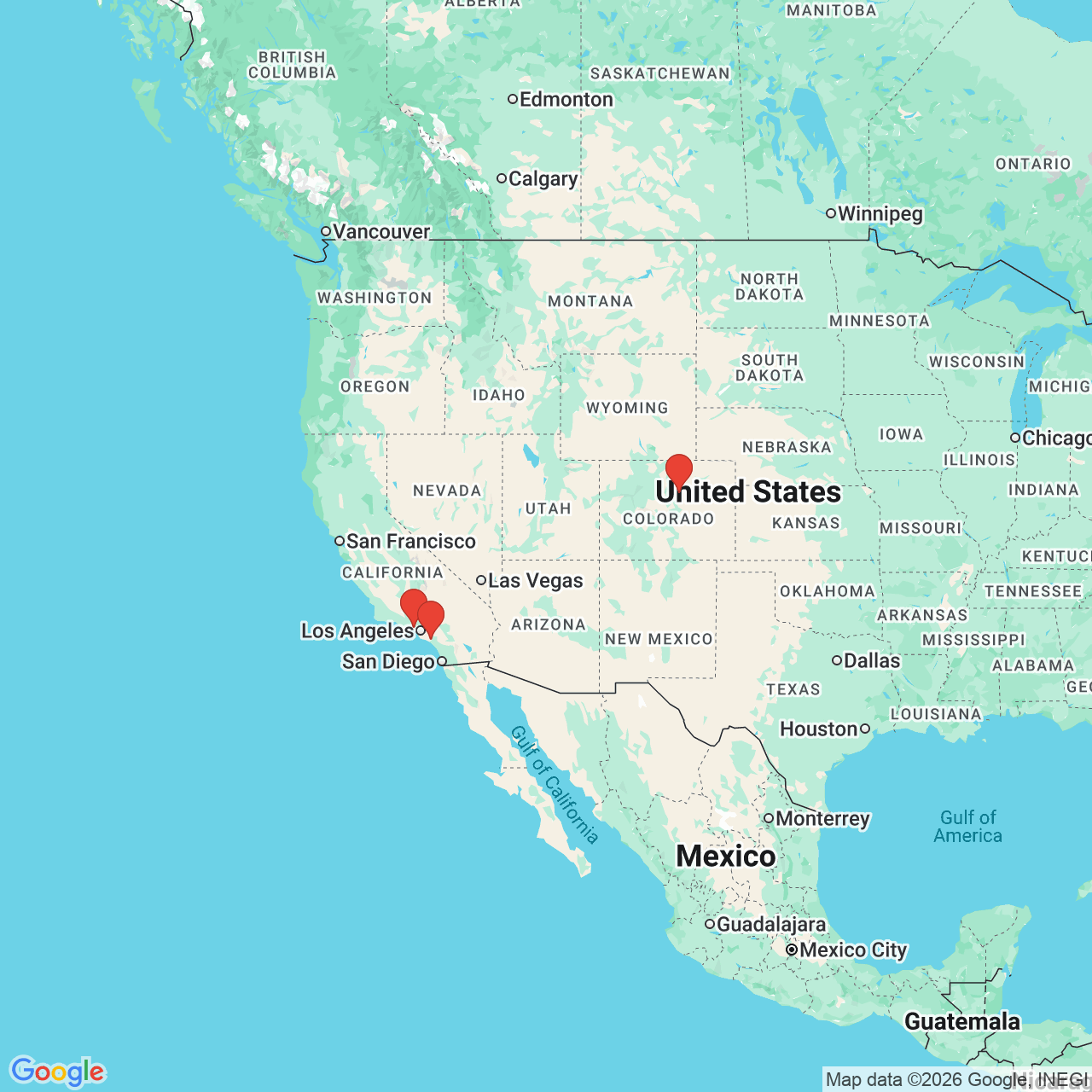
We have 3 locations Two in California. One in Colorado.