If you were served with emergency papers or an exchange or departure is imminent, tell counsel the exact time and what the judge has signed, if anything.
Under California Family Code § 3064, a court generally cannot grant or change custody ex parte without a showing of immediate harm to the child or an immediate risk that the child will be removed from California. Explain why a regular hearing would be too late and how the specific temporary order would address the risk. Recent domestic violence by a parent or sexual abuse of the child, or a demonstrated continuing pattern of those acts, can qualify. The court must consider a parent’s illegal access to firearms or ammunition when assessing immediate harm.
A confirmed imminent departure, supported by messages or travel details, is different from a disagreement about possible future travel. A missed exchange or disagreement about school does not by itself establish an emergency. See California child custody and parenting time for the regular process.
In Orange County, Superior Court Local Rule 704(A) distinguishes ordinary family ex parte applications from domestic violence restraining-order requests. The ordinary application starts with form FL-300. The court generally reviews an ordinary application on the same court day if filed by 10 a.m. and the applicant complied with the notice requirements; later filings are usually reviewed the next court day. The rule has separate provisions for late or excused notice. Same-day review is not the same as a hearing or a signed order. Check the assigned Orange County department’s instructions before relying on a filing or appearance plan.
Under Rule 5.169, the court may decide on the papers or require appearances. Check the assigned court’s directions; other counties may use different procedures.The court may grant all, some, or none of the request, or set a hearing. Read the actual signed order for the effective terms, duration, hearing and service instructions. Rule 5.167 requires personal service of a conformed copy of signed emergency orders on all parties. A pending request or proposed FL-305 does not change who has the child that night.
If you are responding, get the filed application, attachments, declaration and any signed order, note when you received them, and check opposition and appearance instructions right away. Address the specific allegations and requested restrictions with facts and records. Follow all operative orders. A protection order can independently limit contact even when a parenting order says something different. See California domestic violence and protection-order representation.
If the court finds grounds for an emergency custody order under Family Code section 3064, section 3100(c) requires it to consider whether the child’s best interests call for suspending, denying, or limiting visitation by the person whose conduct presents a risk of immediate harm to the child or an immediate risk the child will be removed from California. The court must consider whether visitation should be allowed only with a specified third person present, including for virtual visitation. The result is not automatic. If visitation is ordered in a case alleging domestic violence and a qualifying protective or restraining order has been issued, section 3100(d) requires specific terms for the time, day, place and manner of visitation or any transfer to protect the family.
Ask for the temporary terms you can explain and carry out. If the order allows contact, a useful proposal identifies the exchange location, who may be present, whether a supervisor is available, and what happens if a visit cannot go forward. Do not propose contact that another signed order forbids. Our California criminal protective orders and parenting time page explains why a family order does not by itself lift a criminal restriction.
When the child is present in California, Family Code § 3424 permits temporary emergency jurisdiction for abandonment or when emergency protection is necessary because the child, a sibling, or a parent is subjected to or threatened with mistreatment or abuse. A pending proceeding or prior order in another state can require court-to-court communication and limit the duration of relief. Bring every order and case number; emergency jurisdiction does not automatically give California permanent authority.
Bring current custody and protection orders, papers received or filed, the next exchange or hearing date, and a short factual timeline. Preserve complete messages, travel records, reports, and other records you can lawfully access. Separate what you saw from what you were told. Do not coach or repeatedly question a child, violate a contact restriction, or alter evidence.
Our California divorce page explains how temporary orders fit into a separation. Request a California consultation or call (818) 824-5800. If someone is in immediate danger, call 911.
General information about California family law, not legal advice for a specific case.
Locations
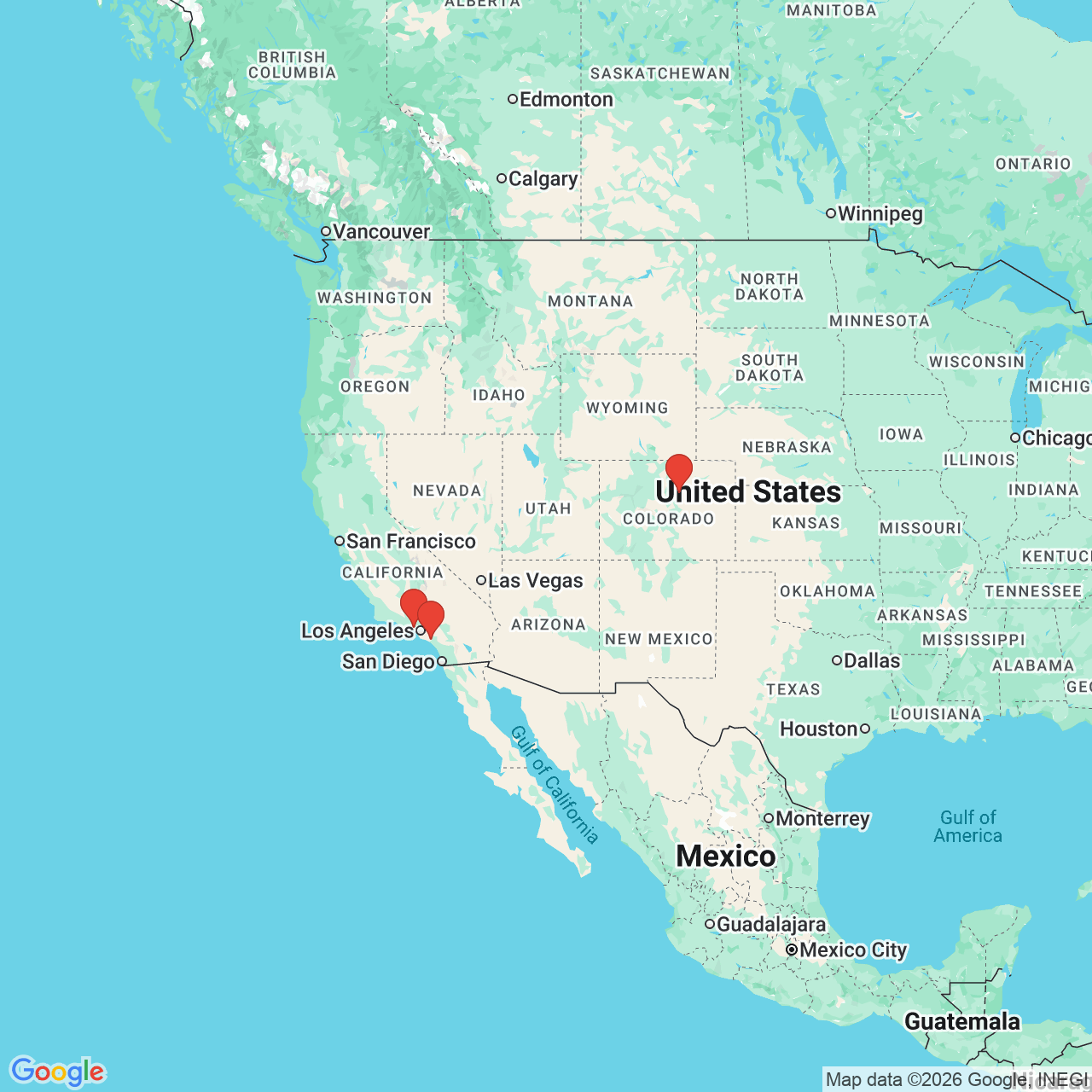
We have 3 locations Two in California. One in Colorado.