Custody, support modification, and enforcement may belong in different courts. A.J.F. illustrates the importance of identifying the exact relief requested.
By Samera I. Habib · Nov 21, 2026 · 4 min read
Moving a child from Colorado to California does not necessarily move every legal issue with the child. Custody, support modification, and enforcement can follow different rules. A parent who treats them as one package may ask the wrong court for the wrong relief.
Case status: In the Interest of A.J.F., No. 23CA1318, August 15, 2024, is an unpublished Colorado appellate opinion. This discussion uses it as an illustration, not binding precedent.
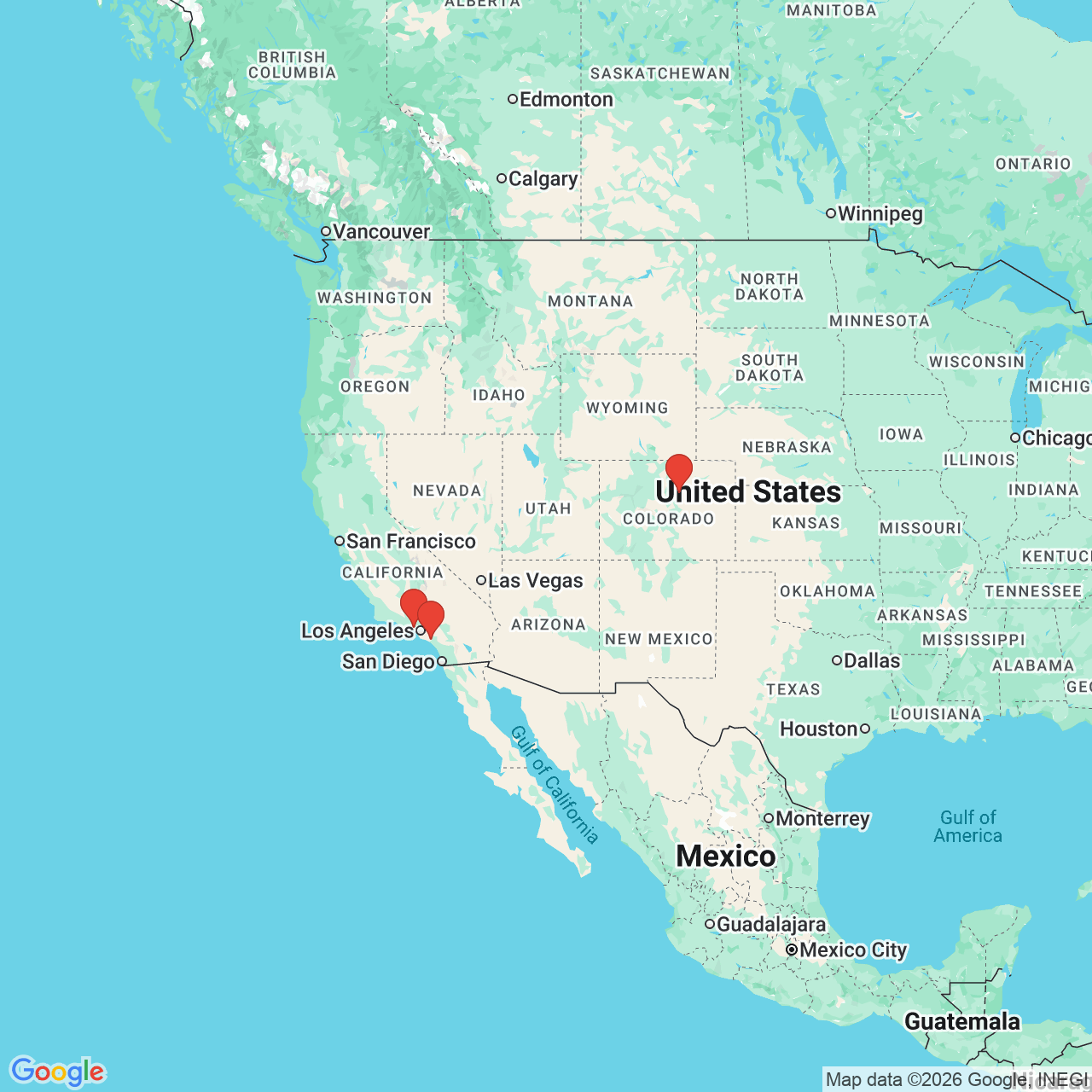
A Colorado order addressed parenting and support. Mother and child moved to California; father ultimately lived in Texas. The order was registered in both new states. California awarded mother sole custody but declined support modification because it lacked personal jurisdiction over father. Colorado had also determined that it could not exercise continuing jurisdiction to modify support.
Years later, Colorado entered an order to enforce extraordinary medical expenses under the existing support order. The appellate court distinguished enforcement from modification and rejected use of the custody-jurisdiction framework for that support-only dispute. It did not reach father's argument that the enforcement actually modified the order because he had not preserved it properly. See A.J.F., paragraphs 3–5 and 14–24.
The litigation continued. A later unpublished decision, No. 25CA0403, July 23, 2026, paragraphs 1–12, dismissed an appeal of a second enforcement order because father had not timely sought the required district-court review. That was a procedural dismissal, not a new decision rejecting the earlier interstate-enforcement analysis. The later opinion expressly applied the pre-amendment magistrate rules relevant to the orders before it.
Colorado’s Uniform Interstate Family Support Act, §§ 14-5-205–206, distinguishes continuing, exclusive jurisdiction to change a support order from procedures for enforcing the controlling order. That is separate from custody jurisdiction under the UCCJEA, §§ 14-13-201–206. Registration can support enforcement; it does not by itself establish authority to modify.
Before filing, we would ask a client to complete one sentence: “I want the court to…” The answer should identify a specific action. Is the request to collect an unpaid amount, interpret an existing expense clause, change future support, or change parenting time? Combining those objectives in ordinary conversation is understandable. Combining them without a jurisdictional plan can create avoidable confusion.
Next, assemble a single organized set of orders. Include the original judgment, all modifications, registration documents, and any ruling addressing jurisdiction. Create a payment ledger separating regular support, disputed expenses, credits, and amounts already collected. Identify each document by date and issuing court so that conflicting assumptions become visible early.
For an expense-reimbursement request, our preparation checklist would include the precise order language, proof of payment, advance notice, available insurance information, requests for consent, and responses. Depending on the order, an invoice may establish the amount charged without resolving whether the other parent was obligated to pay it.
For the responding parent, identify the specific objection rather than relying only on the family's departure from the original state. Is the dispute about coverage, notice, necessity, calculation, or whether the requested relief changes the existing obligation? Bring those concerns to counsel early enough to present them through the required procedure.
The practical warning is that an order's registration elsewhere should not be mistaken for a universal transfer of every family-law issue. Ask which court can decide each requested remedy, whether another proceeding is pending, and how to avoid inconsistent requests or duplicate collection.
At The Dadvocates, we approach interstate disputes by mapping the orders and the relief first. When a family has connections to California, Colorado, and another state, precision about enforcement versus modification can be as important as the underlying financial evidence.
*Disclaimer: the information provided by this website is for informational purposes only and should not be considered legal advice or a substitute for competent legal counsel.
©2026 The Dadvocates | Forever Website® 2.0 | Designed & Developed by Einstein Law
Our Team
California
Colorado
Interstate & International Family Law
2026