A California deed did not settle the Colorado divorce question. Blaine explains why title and marital-property classification require separate analysis.
By Samera I. Habib · Nov 21, 2026 · 3 min read
A California deed can look decisive without answering the question a Colorado divorce court must decide. For spouses with property in both states, the distinction between title and divorce classification deserves attention before anyone signs a transfer document.
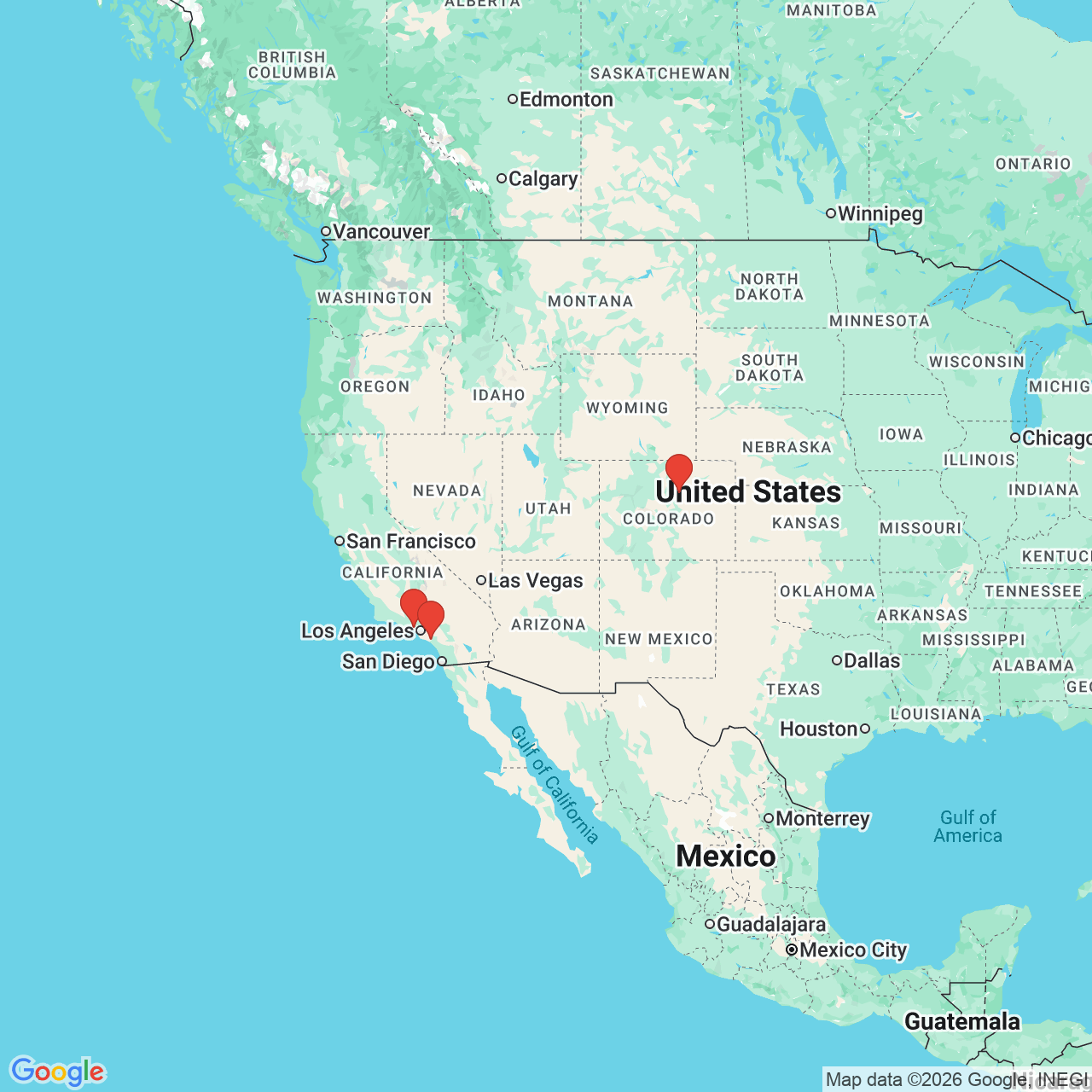
In In re Marriage of Blaine, 2021 CO 13, paragraphs 4–10, a husband signed an interspousal transfer deed connected to his wife's purchase of a home in Dublin, California. The document described the home as her separate property. He had transferred substantial funds to her during the marriage. When the marriage ended in Colorado, the legal effect of the deed became disputed.
The trial court treated the transferred funds as marital but concluded that the deed extinguished the husband's marital interest in the home. The intermediate appellate court upheld that reasoning. The Colorado Supreme Court reversed.
The Supreme Court held that the marital-property presumption can be overcome only through the statutory exceptions, not an additional exception based simply on a deed plus intent. The deed did not qualify as a valid agreement under C.R.S. §14-10-113(2)(d) because only the husband signed it. The court remanded rather than finally deciding every possible separate-property theory. See Blaine, paragraphs 16–26.
For a family with a California house and a potential Colorado divorce, our practical starting point would be a document-by-document review, not an assumption based on the address of the property. We would want the purchase agreement, closing statement, recorded deeds, financing instructions, bank statements showing the source of the down payment, and any agreement addressing ownership between the spouses.
Those records answer different questions. A lender's requirement explains why a document was requested. The deed records what was signed. Bank records help reconstruct where money originated and how it moved. A marital agreement may address obligations that a routine closing document never considered. Treating those documents as interchangeable can obscure the real dispute.
Before signing, ask counsel to explain the intended consequence in concrete terms: Does this change record title, waive a divorce claim, document a gift, or serve a financing purpose? What formalities does that purpose require? What happens if the marriage later ends in a different state? A general assurance that a document is “standard” is not a substitute for answering those questions.
This published Colorado Supreme Court decision does not mean every interspousal deed is ineffective, that California property automatically belongs equally to both spouses, or that signing such a deed is harmless. It means the legal theory and statutory requirements must match the transaction. The earlier appellate result cannot be presented without the reversal.
At The Dadvocates, we approach interstate property disputes by separating the documents, the money trail, and the requested legal relief. Before you sign away an interest or assume an existing signature ends the discussion, have the complete transaction reviewed.
*Disclaimer: the information provided by this website is for informational purposes only and should not be considered legal advice or a substitute for competent legal counsel.
©2026 The Dadvocates | Forever Website® 2.0 | Designed & Developed by Einstein Law
Our Team
California
Colorado
Interstate & International Family Law
2026