A business award in a Colorado divorce led to a California tax dispute. Why settlement value and tax basis are not the same.
By Samera I. Habib · Nov 21, 2026 · 3 min read
If you keep the business in a divorce and transfer substantial assets to your spouse, you may think you have purchased the spouse’s interest at a new tax basis. That assumption deserves careful scrutiny before you sign, especially when the divorce is in Colorado and the eventual sale has California tax consequences.
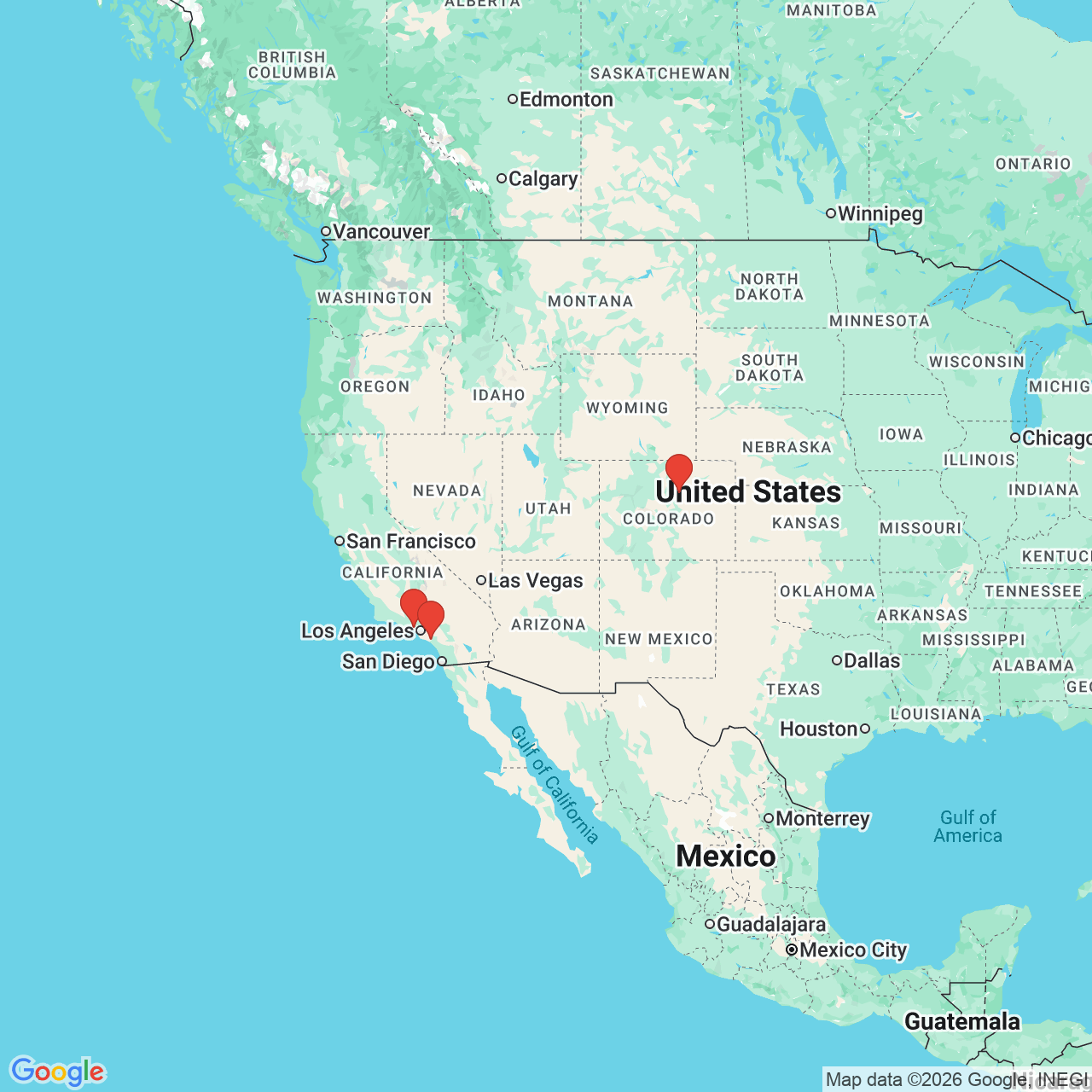
Donald List’s dispute with California’s Franchise Tax Board provides a concrete example. The divorce occurred years before the tax litigation, but the language of the Colorado settlement remained central.
The Office of Tax Appeals’ signed opinion in Appeal of List, No. 18010892, describes business interests, a family trust, and a later sale of 3-V Fasteners stock. The 2009 sale brought List $18.1 million. He claimed that approximately $5.9 million he said he transferred to his former wife should increase his stock basis. The agency rejected the additional basis. Its opinion addressed $444,025 in proposed additional tax, plus applicable interest. It is expressly nonprecedential and was issued July 16, 2019, although its publication identifier is 2020-OTA-061.
The dispute continued in court. In List v. Franchise Tax Board, No. B320270, decided March 19, 2024, the California Court of Appeal affirmed dismissal of his refund action after a demurrer, not after a trial on the merits. The opinion is unpublished, and the Franchise Tax Board’s litigation roster records the June 2024 remittitur. It is a case study, not citable authority except as permitted by California Rule of Court 8.1115.
According to the appellate opinion, the parties separated in 2003, executed their agreement in May 2005, and obtained their Boulder County dissolution decree in June 2005. List argued that the stock transaction was an arm’s-length purchase using separate property.
The court rejected his attempt to treat separation as the end of the marriage. It also relied on the integrated settlement agreement, which characterized the transfers as marital-property transfers and was incorporated into the Colorado decree. A later declaration could not rewrite those clear terms. See the opinion’s Introduction and Discussion sections 1.3–1.4.1.
Internal Revenue Code section 1041 generally provides nonrecognition for transfers between spouses and qualifying transfers to former spouses incident to divorce. It also generally carries the transferor’s adjusted basis into the recipient’s hands. A qualifying divorce transfer therefore does not automatically create a new basis equal to the value exchanged.
For illustration, assume an asset has a $1 million adjusted basis and a $4 million settlement value. If the carryover-basis rule applies, receiving it at that settlement value does not itself turn its basis into $4 million. A later taxable sale can expose the difference. This hypothetical is not a calculation of List’s liability.
Our recommendation is to ask for an after-tax comparison before agreeing that a business interest and a package of cash or investments are economically equivalent. That analysis should identify:
Have divorce counsel and the tax adviser review the same documents before the agreement becomes final. A settlement should express the intended transaction accurately, but wording cannot create a tax result that the governing law does not permit. The time to resolve that mismatch is before the business changes hands.
*Disclaimer: the information provided by this website is for informational purposes only and should not be considered legal advice or a substitute for competent legal counsel.
©2026 The Dadvocates | Forever Website® 2.0 | Designed & Developed by Einstein Law
Our Team
California
Colorado
Interstate & International Family Law
2026